



Welcome to the official website of Hebei Shenji Trading Co., Ltd!
Service hotline: 008617692198555 Chinese English
News

The difference between deep-groove ball bearings and angular contact ball bearings

2026-03-14

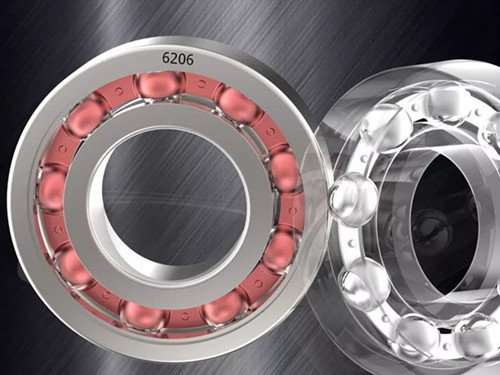
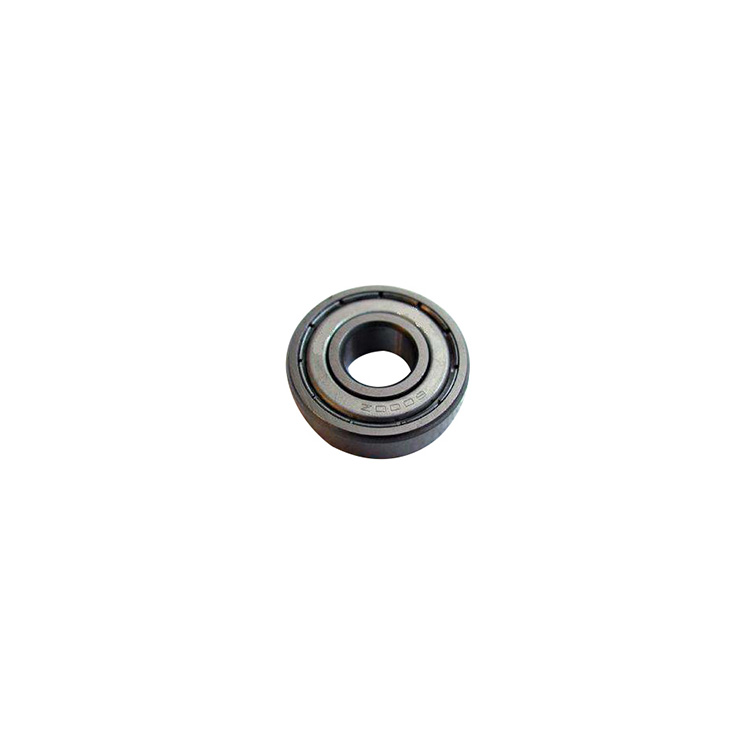
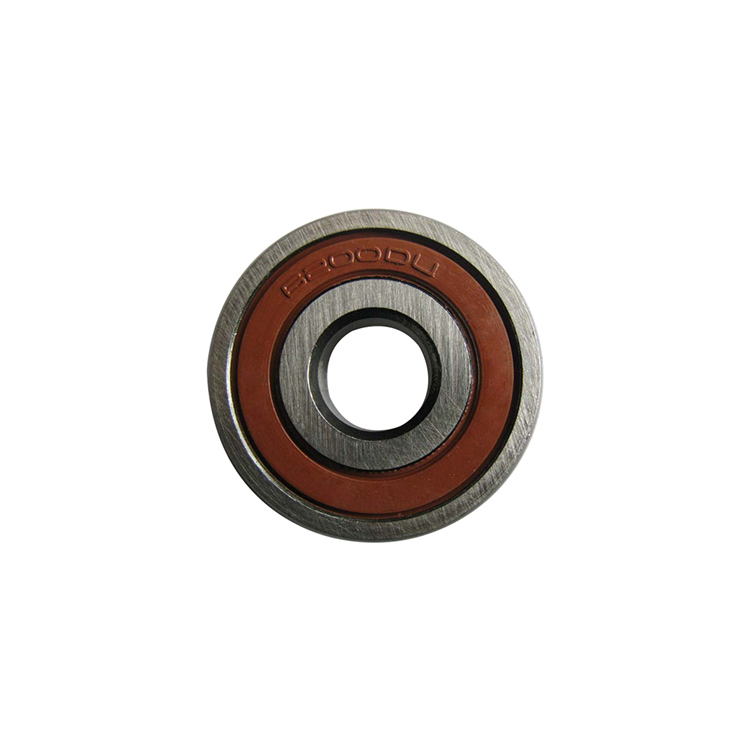
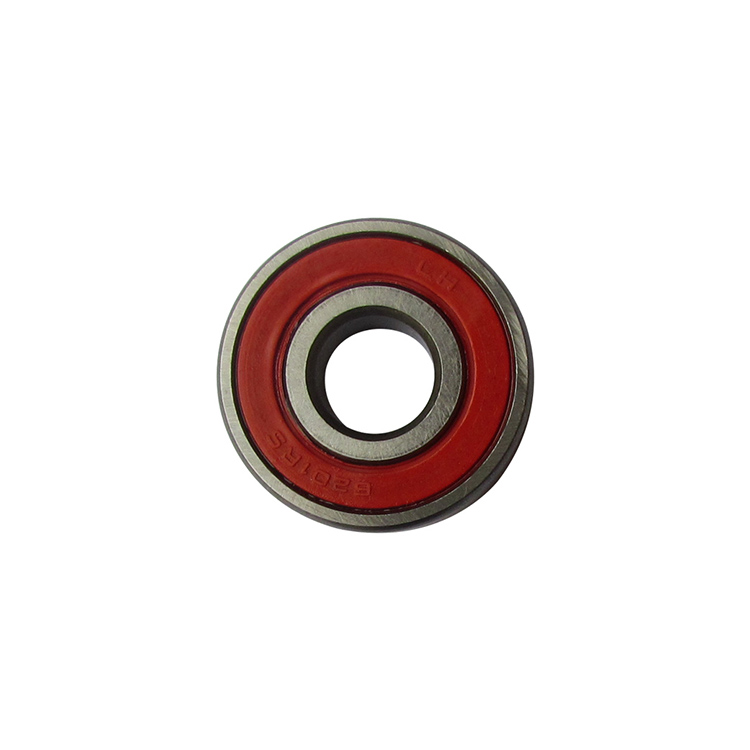
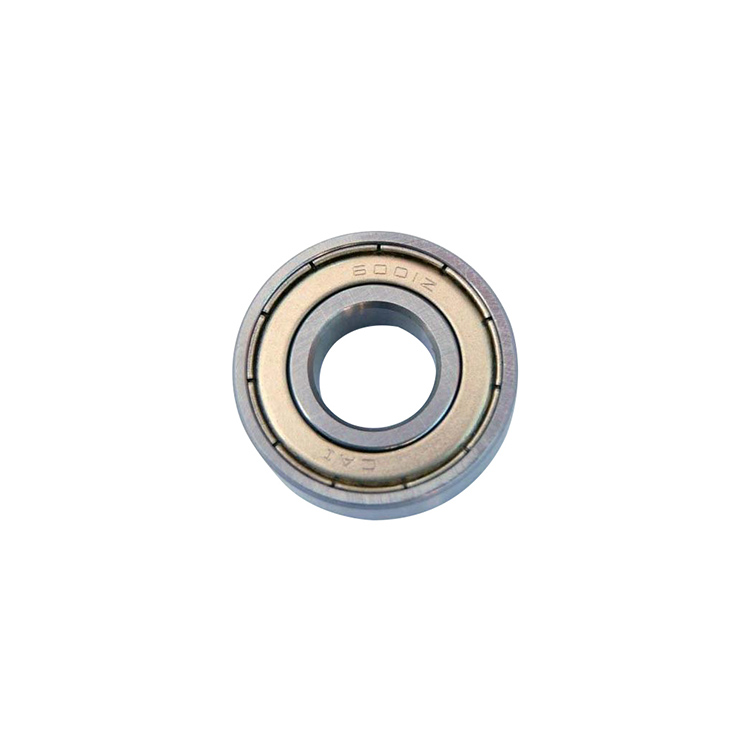
Deep groove ball bearings and angular contact ball bearings are both typical types of rolling bearings. They are widely used and capable of withstanding radial loads and bidirectional axial loads, making them suitable for high-speed rotation and applications requiring low noise and low vibration. Sealed bearings fitted with steel dust caps or rubber seals are pre-filled with grease. Bearings with an outer ring featuring a retaining ring or flange facilitate both axial positioning and installation within the housing. Heavy-duty bearings have the same dimensions as standard bearings, but feature an additional filling groove on both the inner and outer rings, increasing the number of balls and thereby raising the rated load capacity.

Differences in type and load direction:

Deep groove ball bearings:

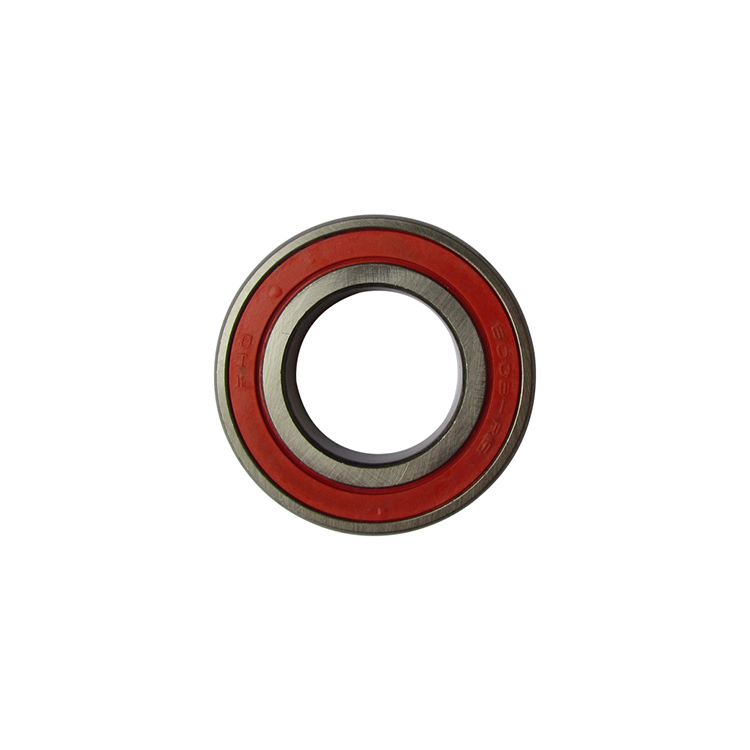
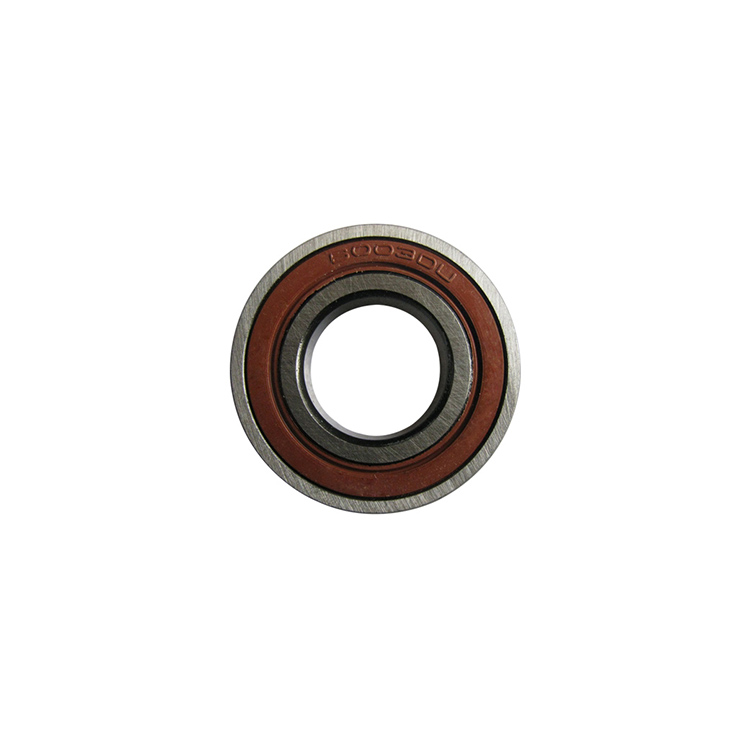
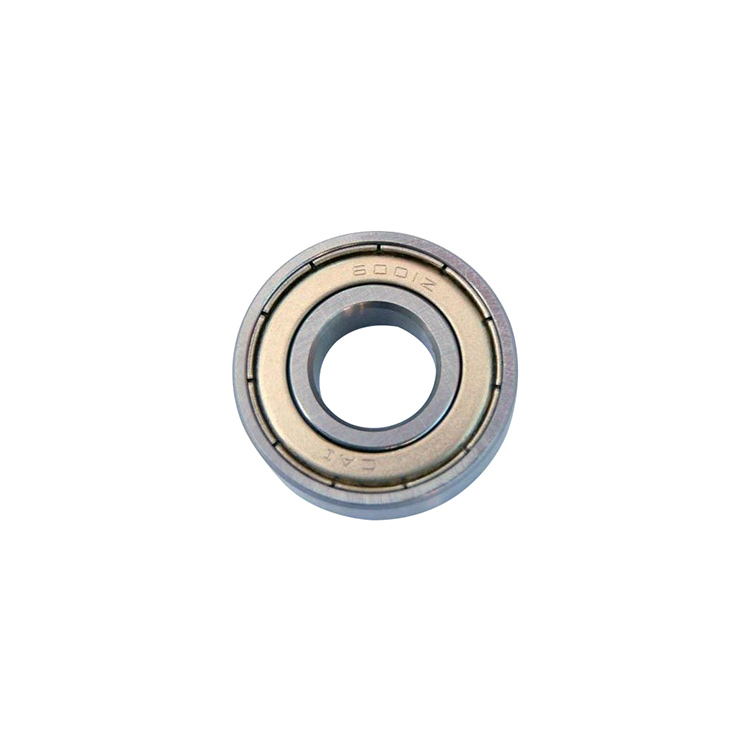
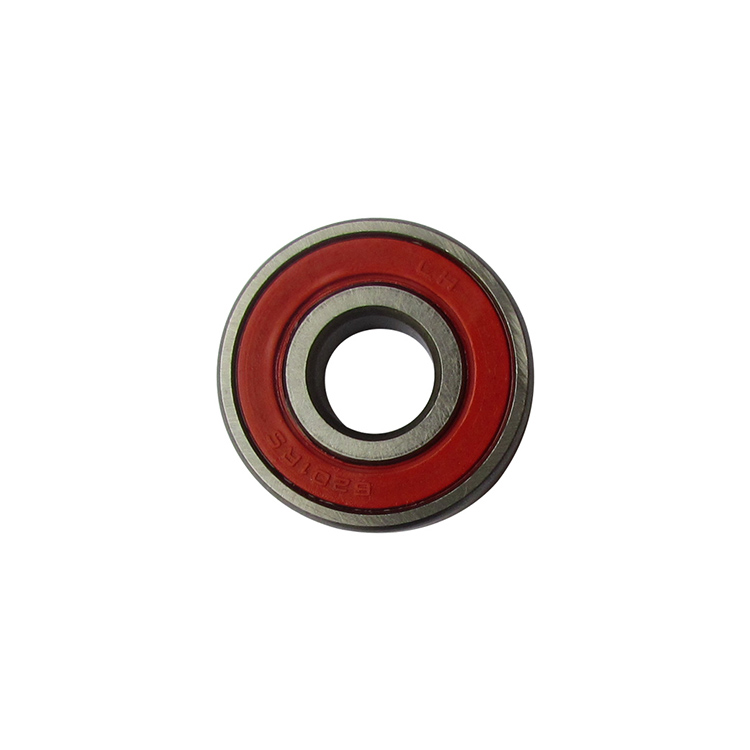
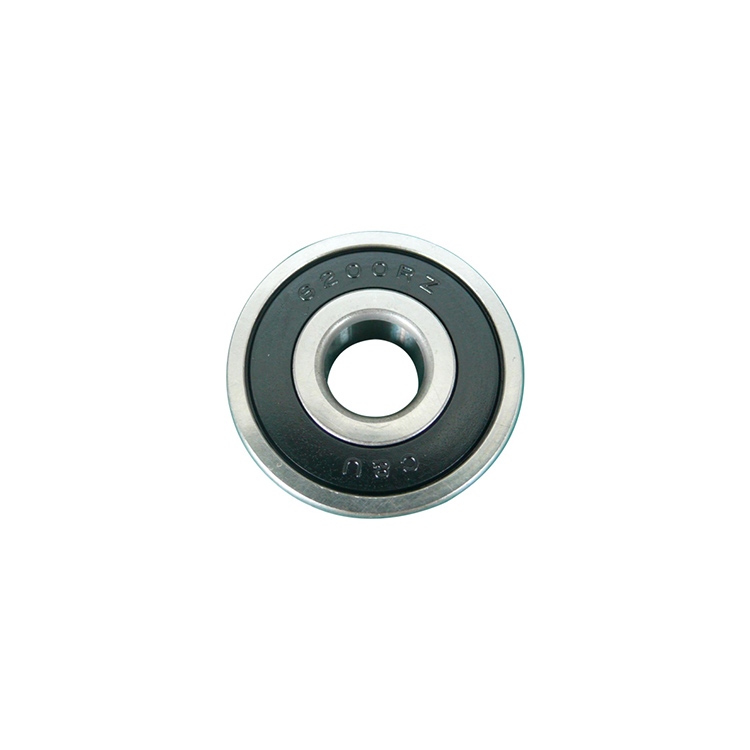
Deep groove ball bearings are the most common type of rolling bearing. They primarily withstand radial loads, but can also withstand both radial and axial loads simultaneously. When subjected solely to radial loads, the contact angle is zero. When deep groove ball bearings have a larger radial clearance, they exhibit the performance characteristics of angular contact bearings and can withstand significant axial loads. Deep groove ball bearings have a very low coefficient of friction and a high limiting speed.

Angular contact ball bearings:

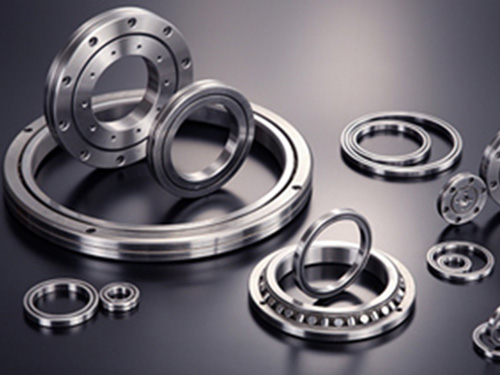
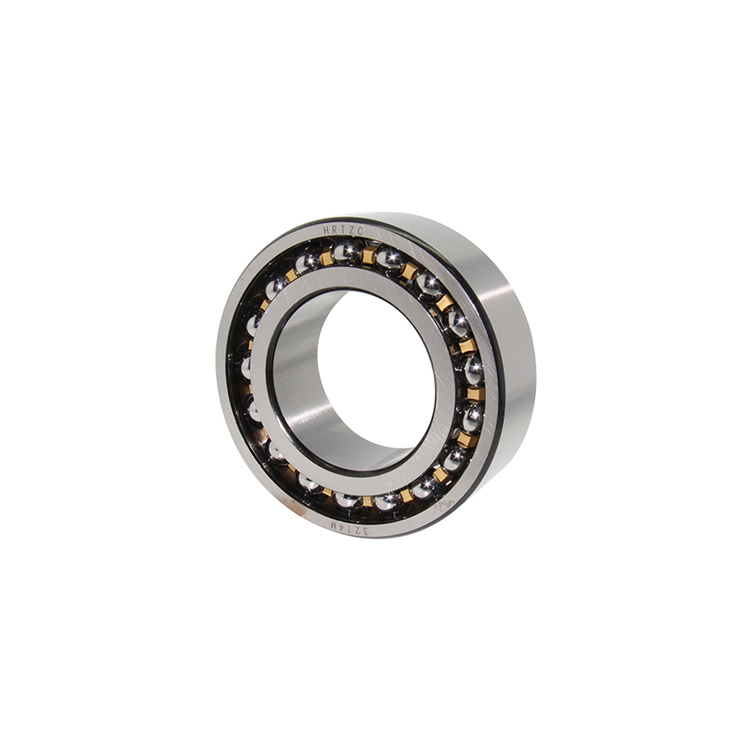
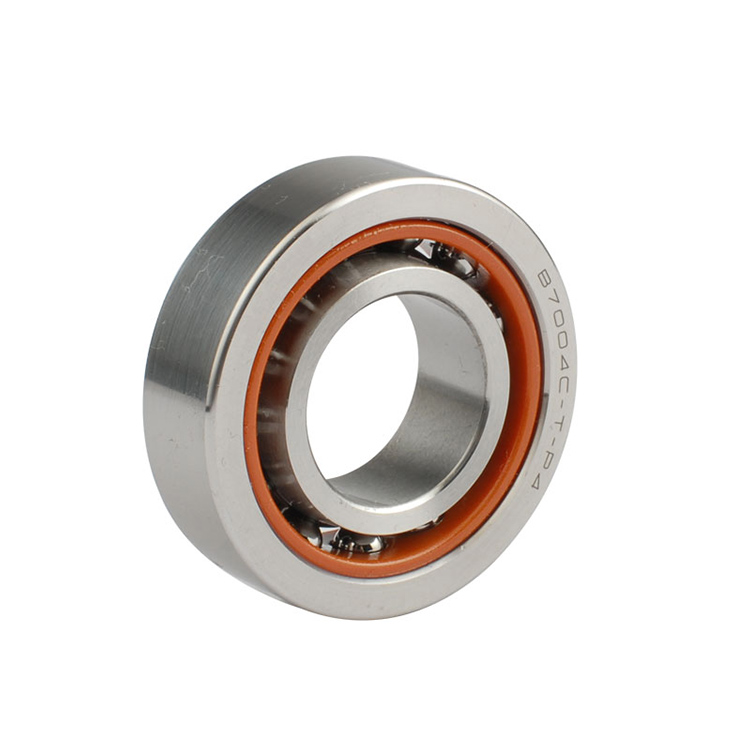
There is a contact angle between the rings and the balls; standard contact angles are 15°, 25° and 40°. The larger the contact angle, the greater the axial load capacity; the smaller the contact angle, the more suitable the bearing is for high-speed rotation. Single-row bearings can withstand radial loads and unidirectional axial loads, DB and DF series, as well as double-row angular contact ball bearings, can withstand radial loads and bidirectional axial loads. The DT series is suitable for applications involving significant unidirectional axial loads where the rated load capacity of a single bearing is insufficient. High-speed ACH-type bearings feature small ball diameters and a high number of balls, and are predominantly used in machine tool spindles. In general, angular contact ball bearings are suitable for high-speed, high-precision rotational applications.

Differences in structure:

Deep groove ball bearings and angular contact ball bearings with identical inner and outer diameters and widths share the same inner ring dimensions and structure, whilst their outer ring dimensions and structures differ:

1. The outer ring raceway of a deep groove ball bearing has double shoulders on both sides, whereas angular contact ball bearings generally have a single shoulder; 2. The curvature of the outer ring raceway differs between deep groove ball bearings and angular contact ball bearings, with the latter typically having a greater curvature;

3. The position of the raceway in the outer ring of a deep groove ball bearing differs from that of an angular contact ball bearing; it is off-centre, and the specific value is taken into account during the design of the angular contact ball bearing and is related to the contact angle; In terms of application:

1. The two types serve different purposes: deep groove ball bearings are suitable for withstanding radial forces, small axial forces, combined radial and axial loads, and torque loads, whilst angular contact ball bearings can withstand single radial loads and larger axial loads (depending on the contact angle); when paired in a double-row configuration (which varies depending on the pairing method), they can withstand bidirectional axial loads and torque loads;

2. The limiting speeds differ; angular contact ball bearings of the same size have a higher limiting speed than deep groove ball bearings.